
Best Shoes & Clothing for Kedarkantha Trek (Complete Winter Packing Guide)
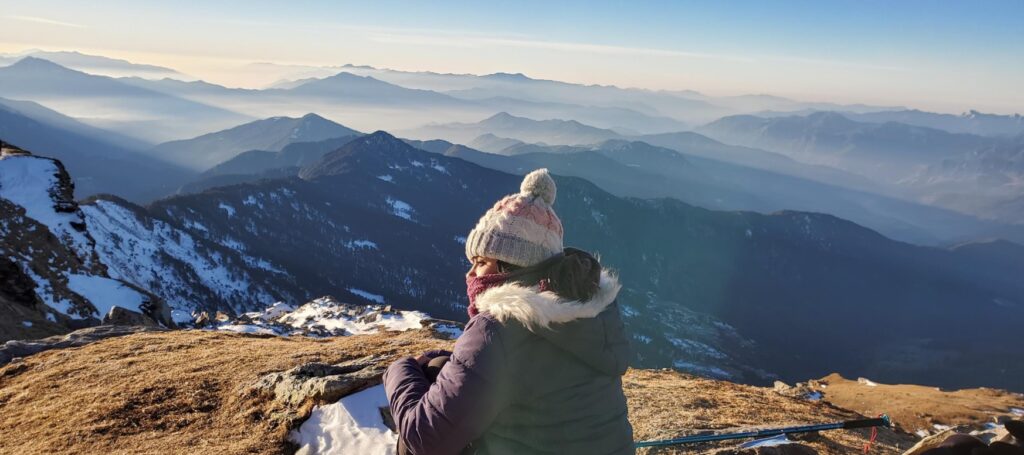
The Kedarkantha trek is one of the most famous winter treks. But this also means trekkers have to prepare for cold and harsh mountain conditions. And carrying the right shoes and clothing is very important for safety and comfort.
This guide will help you understand what type of trekking shoes are best for the trek, what winter clothing to carry and how to stay warm and comfortable during the trek. It will also explain the basic gear that isrequired for snow trekking and cold mountain nights
Why Proper Winter Gear Matters on Kedarkantha
- Snow conditions: Snow on the trail can make it slippery to walk. Therefore, good trekking shoes with good grip help you walk safely on such paths.
- Sub-zero night temperatures: Temperatures at night can drop below zero. Without the proper layering, it can be very uncomfortable to sleep or stay at camps.
- Summit wind exposure: Summit temperature is already very low, and strong winds at the summit become another challenge. These winds can make the temperature feel even colder during the morning summit climb.
- Frostbite/hypothermia risk if underprepared: exposure to cold weather without the proper gear can increase the risk of frostbite or hypothermia.
This is why wearing the right kind of shoes and clothing is a necessary part of preparing for the Kedarkantha trek.
Best Trekking Shoes for Kedarkantha
Trekking in snow requires good -quality, reliable trekking shoes.
Because normal shoes are not suitable for snowy and slippery trails.
The right kind of shoes helps you walk safely, keeps your feet warm and prevents any injuries from walking long trekking days.
Must-Have Shoe Features
Your trekking boots should have high ankle support to protect your feet from uneven and snowy surfaces, which also prevents ankle twists while walking with your backpacks.
Shoes must be waterproof to keep your feet dry while walking on wet trails which helps prevent cold or any discomfort.
A good trekking shoe should also have a strong grip, which can help maintain balance on slippery trails.
The shoes should have an insulated lining to keep your feet warm in sub-zero temperatures.
Can You Use Sports Shoes?
Sports shoes are not recommended for such treks.
And using them in the monsoon for the Kedarkantha trek can be risky. Sports shoes do not usually have a strong grip, waterproof protection or ankle support. This might increase your chances of slipping and getting an injury.
While it might work in rare cases, when the snow is very little, like in early winter or late winter. But, still, these are not a reliable option and trekking shoes are much safer and more comfortable.
Do You Need Microspikes or Crampons?
During the snowfall on the Kedarkantha trek, the trail is covered with snow and ice.
Microspikes or crampons help provide extra grip on slippery sections in these conditions.
And most trekking companies provide them as a part of trekking gear, especially for the summit day.
Some people might also carry their own pair for better comfort.
Socks – The Most Underrated Essential
Many trekkers only focus on jackets and shoes while planning for the Kedarkantha trek.
They often forget how important it is to have good socks during the trek.
Because warm and dry socks help to keep your feet comfortable during long walking hours.
Wool vs Cotton (Why Cotton Is a Mistake)
People often make this mistake of carrying cotton socks instead of bringing woolen socks.
Woolen socks are a better option for winter trekking because they retain heat. They dry faster compared to cotton socks, which absorb the moisture and remain wet.
This makes cotton socks a mistake to wear in snowy conditions.
How Many Pairs to Carry
It is recommended to carry at least 3-4 pairs, as it will allow you to change if they become wet or sweaty on the trek.
Layering Socks in Extreme Cold
Layering your socks in cold conditions helps absorb sweat as well as keep you warm and insulated. This keeps the feet warm during cold nights of snow.
Clothing Layering Strategy (Very Important Section)
Layering clothes strategically for the Kedarkantha trek is the best way to stay warm and comfortable. It allows you to add clothing depending on the weather conditions and activity level.
Base Layer (Thermal Wear)
The first and foremost layer of clothing is thermal wear, which sits directly on the skin and helps retain body heat. Materials like wool or synthetic are ideal for thermal wear in cold trekking conditions.
Mid Layer (Fleece / Down Jacket)
This layer adds fleece and provides insulation to keep your body warm.
Fleece or down jackets work well for trapping heat and are comfortable to wear.
Outer Layer (Waterproof Windproof Jacket)
The final outer layer is for protecting you from the snow, cold wind or any moisture.
This should be waterproof and windproof to block the summit winds and keep the inner layers dry.
Trek Pants vs Jeans (Strict No to Jeans)
You should always wear trekking pants and avoid jeans completely.
Trek pants are lightweight, flexible and dries quickly. While jeans absorb the moisture and become heavy after getting wet which can make trekking uncomfortable.
Essential Winter Accessories
There are some other essential winter accessories apart from shoes and clothes.
These accessories can make a huge difference in your experience of the Kedarkantha trek.
Because they protect you from cold winds, snow glare and freezing temperatures.
Gloves (Inner + Waterproof Outer)
Wearing layers of gloves is ideal for winter trekking. Both the inner and outer waterproof layers help to keep your hands warm and protect you from getting wet.
Woolen Cap / Balaclava
A woolen cap or a Balaclava is very important in cold conditions, as it retains body heat by covering your head and ears.
Neck Gaiter / Muffler
A neck gaiter or muffler protects your neck and face from the cold, especially on the summit climb.
Sunglasses (Snow Glare Protection)
Sunlight after reflecting on snow can cause strong glare and strain your eyes. So, a good pair of sunglasses is necessary to protect your eyes from bright UV light.
Rain Cover for Backpack
A rain cover for your backpack is very useful even in winter treks. It protects your bag and items inside it from snow or any moisture.
Night Wear for Camps
Nights can feel much colder than daytime on the Kedarkantha trek.
This makes proper nightwear important to stay warm.
Layering thermals while sleeping helps store the body heat in sub-zero temperatures.
You can also change to a dry pair of socks to keep your feet warm and comfortable. Many trekkers also wear down jackets inside their sleeping bags for extra warmth.
Because nighttime colds can feel harsher due to major temperature drops and less movement in your body to generate heat, it is challenging to stay warm.
What Not to Carry (Common Beginner Mistakes)
Many beginners make the common mistake of overpacking or bringing the wrong type of clothes on the Kedarkantha trek.
And all these unnecessary items can make trekking difficult and uncomfortable.
Heavy jackets: These are not very practical for trekking; instead, you can carry clothes to layer with thermals, fleece or a down jacket.
Fashion boots: Trekking requires shoes with a strong grip and ankle support. Stylish winter boots are not good for snowy trekking trails.
Too many clothes: Packing too many unnecessary clothes increases the weight of your backpack. So it is better to carry only the essentials that can be reused.
Cotton hoodies: Just like cotton socks, cotton hoodies also absorb sweat and moisture, which can make you feel cold. Wool-based layering is a better option.
Large unnecessary luggage: Oversized luggage with extra items of no use can make your trek much more difficult. It’s always better to carry a light and well-organised backpack.
Can You Rent Trekking Gear?
Yes. You can rent trekking gear for the Kedarkantha trek.
Renting is a good and sustainable option for beginners who do not want to buy expensive gear for a trek.
Renting from Delhi vs Sankri
Many people choose to rent gear from Delhi itself before traveling, while others can also rent basic trekking gear in Sankri.
Cost Comparison
Prices for renting trekking gear are slightly cheaper in Delhi and often have more variety.
Insankri, options may be limited, and prices can sometimes be a bit higher during the peak trekking season.
Is Rental Gear Safe?
Most rental shops provide good quality gear that is best for winter treks. But it is always safe to check their condition and size before renting them.
If you feel unsure about what to rent, we also provide guidance on rental gear options that are suitable for you and help you prepare for the trek.
Winter Packing Checklist (Quick Summary Section)
Make sure to tick your quick checklist to help you pack all the essentials and not forget anything:
- Shoes: High ankle support, waterproof, with a strong grip trekking shoes
- Socks: 3-4 pairs of woolen socks
- Thermals: Base layers for both top and bottom
- Jackets: Fleece jacket or downjacket for layering
- Gloves: Inner and outer gloves
- Cap: Woolen cap or balaclava to keep your head and ears warm
- Sunglasses: To protect your eyes from strong snow glare
- Backpack essentials: Like rain cover, bottle, headlamp, personal medication and basic toiletries.
Final Advice – Dress Smart, Trek Comfortably
Preparing for the Kedarkantha trek may feel overwhelming at first, especially for a first-time trekker. But with the right winter gear and proper layering, your experience can become much more comfortable and enjoyable.
Preparing well before your trek helps you remain confident instead of worrying about the cold.
You can focus on the beautiful winter landscape scenery and enjoy the summit views of Kedarkantha.
If you remain unsure about renting gear or planning your trek, trekking with a reliable team and experienced guide can make your experience much smoother and stress-free.