
Flora & Fauna of Kedarkantha Region – Wildlife & Forests You’ll See
Where Is Kedarkantha Located? (Ecological Context)
Kedarkantha is located inside the Govind Wildlife Sanctuary in northern India. This region falls within the Western Garhwal Himalayas, famous for its rich biodiversity, dense forests and diverse ecosystems.
The landscape varies significantly with the altitude range. The trek starts from a lower altitude Sankri village and climbs gradually to the summit of Kedarkantha at around 3,800 m.
The wide altitude range offers different forests and ecological zones to the trekkers who pass through it. This variety of plantations supports a wide range of wildlife, making Kedarkantha an important ecological zone in the Himalayas.
Forest Types You’ll Walk Through
Trekkers walk through various types of forests from the start to the end of the trek.
Pine Forests (Lower Elevation)
The trek starts from a lower elevation near the Sankri village, where trekkers walk through the beautiful and dense pine forests. This trail passes through tall pine trees, which creates a peaceful and scenic environment with a distinct forest smell.
Oak & Rhododendron Forests
As you climb upwards, the forest turns into Oak & Rhododendron Forests. These are rich in biodiversity and habitat for many birds and animals. And during the spring season, the rhododendron trees blossom with bright red flowers that add colour to the trail.
Snow-Covered Winter Forests
During the winter season, these forests transform into snow-covered landscapes. The region gets covered in snow, creating white forest scenery. Walking through these snow-laden forests becomes one of the most memorable journeys of the trek.
Alpine Meadows Near Summit
As you reach near the summit, the dense forests are left behind and unfold the alpine meadows. The altitude is highest at the summit, with fewer trees and wider panoramic views. It provides a completely different ecological system compared to the forests below.
Wildlife You May Spot on the Trek
The forests around Kedarkantha are home to a variety of wildlife.
While crossing these forests, you may occasionally spot different animals from a distance.
But it is important to keep the expectation realistic, as wildlife sightings are rare and never guaranteed.
Himalayan Monal (State Bird of Uttarakhand)
The Himalayan Monal is one of the most beautiful birds found in the state of Uttarakhand .
It is also the state bird where the male birds are known for their bright iridescent feathers with shades of blue, green and copper. Trekkers are able to spot them sometimes in the morning near the forest edge or on open slopes.
Red Fox
The red fox is another animal that belongs to the forest around Kedarkantha. These are generally shy and uncommon to spot, but trekkers may occasionally see one during active hours, like the early morning or evenings.
Himalayan Langur
The Himalayan langur is the most commonly seen animal on the trek. They are found in small groups with grey fur, black faces, and very long tails, sitting on tree branches along the trails.
Barking Deer
The barking deer, also known by the name muntjac, lives in the dense forests of the Himalayas. They are called barking deer because they make sounds like barking dogs when they feel alarmed. Trekkers sometimes hear them from deep inside the forest but rarely see the animal itself.
Possible Black Bear Presence (Rare Sightings)
The Himalayan black bear is a rarely spotted animal, as they live deeper in the forest areas and usually avoids human activity. The trails are generally busy with trekkers, which makes the encounter very unlikely.
Overall, the Kedarkantha trek takes you through a wildlife-rich area where animals prefer to stay hidden. While trekkers are still able to see birds, hear animal calls or even notice their footprints on snow, making the journey exciting.
Birdlife in Kedarkantha Region
The forest in the Kedarkantha region has a wide variety of birdlife.
Some common mountain birds include species like the Himalayan Monal, woodpeckers, and different types of Himalayan pheasants. These are adapted to the mountain cold and remain active in forest areas and open slopes.
This region also attracts many migratory birds, especially in spring and autumn. Some birds among them are the Yellow-billed Blue Magpie, Kalij Pheasant, Eurasian Jay, Himalayan Griffon Vulture, and various woodpeckers. This seasonal movement of birds adds to the diversity of bird species found during the trek.
The best time for birdwatching is usually the early mornings when the forest is quieter, and birds are most active. The forests are alive with activity in the spring or summer season, and birds are easier to spot.
Snow Season vs Autumn – How Nature Changes
Winter White Landscape
During winter, the forests and trails get covered in snow and transform into a white landscape. This creates a magical winter scenery of the famous Kedarkantha trek.
Spring Blooming Rhododendrons
As the spring comes, the forests begin to come alive again, and rhododendron trees start to bloom with bright red flowers. These flowers add vibrant colour to the mountain trails and stand out beautifully against the green forest background, making the trek visually different.
Post-Monsoon Lush Green Meadows
During the post-monsoon season, the forest becomes lush and green. The meadows are filled with fresh grass and small alpine plants and the clear post-monsoon skies offer beautiful views of the Himalayan peaks.
Are There Dangerous Animals on Kedarkantha Trek?
The forest of Kedarkantha is a natural habitat for many species of animals.
One of them is the black bear, which stays deep in the forests away from the trekking trails.
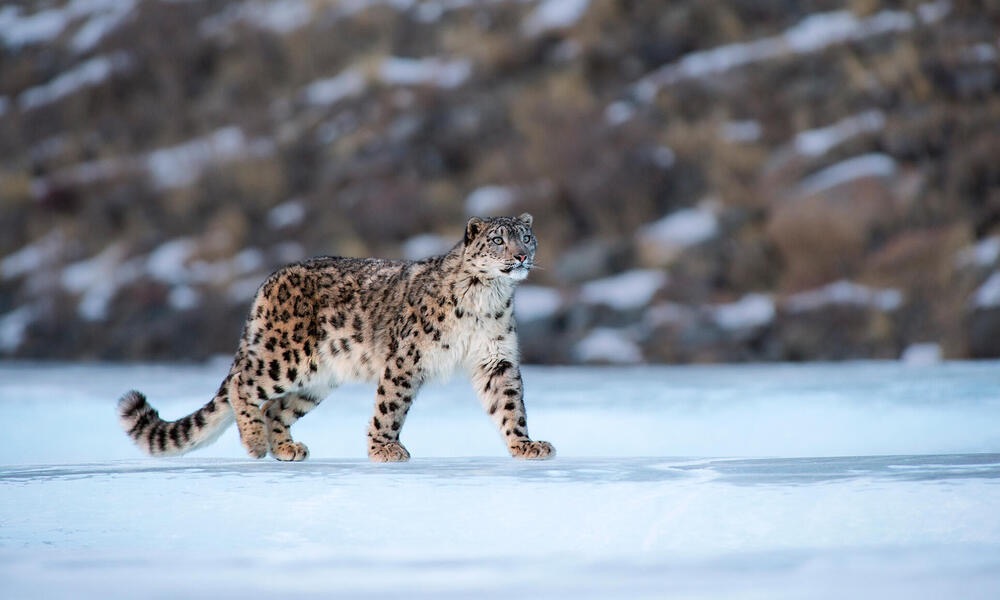
Similarly, the western Himalayas are famous for leopards. They typically move in dense forests and avoid zones where humans are active.
Although their sightings are extremely rare because of the frequent trekking movemen,t which naturally keeps the animals away from the trails.
While the animals stay away, trek organisers follow necessary safety practices like trekking in groups or camping at designated sites. Taking these precautions and being aware of the animal behaviour, the Kedarkantha trek remains a safe and popular Himalayan trekking experience.
Role of Govind Wildlife Sanctuary in Conservation
The forest area of Kadarkantha lies within the protected area of the Govind Wildlife Sanctuary. This sanctuary helps conserve the biodiversity of the western Himalayas.
It also plays a crucial role in protecting the local ecosystem. These forests are important for wildlife habitat, high altitude plant species and a wide variety of animals that depend on this undisturbed mountain environment.
All this makes it a sensitive ecological zone where following responsible trekking guidelines is very important. Visitors are encouraged to follow basic trekking guidelines and avoid littering to help preserve the natural habitat.
What Makes Kedarkantha’s Forests Unique?
The Kedarkantha forests are known for their unique dense pine tunnel trails, where trees naturally make a natural corridor along with the trails. Walking through these sections feels nothing less than a magical experience.
Another unique thing on the trek is the frozen Juda ka talab. This lake often freezes during the winter season and is surrounded by snow-covered forests, making it a scenic campsite on the trek.
Then, as trekkers move along the summit ridge, the ecosystem gradually shifts from dense forests to fewer trees and open slopes. This change highlights the ecological diversity of the region and offers wide views of the surrounding peaks from the top.
Responsible Trekking – Protecting the Ecosystem
Because the trek passes through the protected forests, trekking responsibly is very important.
- Leave no trace principles: Trekkers are asked to follow the “leave no trace” principle, which means taking back everything they bring with them.
- Waste management: It is essential to properly manage the waste so that it does not harm the mountain environment.
- Respect wildlife: It is important that visitors respect the wildlife and their natural habitat. Trekkers are advised not to feed or disturb the animals.
Noise control: Maintaining noise levels low while trekking helps to keep the natural calm of the region and prevent any disturbance to birds and animals.
Final Note – Kedarkantha Is More Than Just a Snow Trek
The Kedarkantha trek is often known for its trekking in winter snow, but the journey offers you much more than that. From dense forests and frozen lakes to wide summit Himalayan views, the trek has it all within the changing natural landscape.
Many trekkers appreciate the trek not just as an adventure but more like a deeper connection with nature. It reflects the perfect balance of beauty and biodiversity of the Himalayan ecosystem.
So, with the right preparation and responsible approach, this journey can become a memorable experience and even a beginning to explore more Himalayan treks in future.