Kedarkantha Trek in December vs January vs February – Which Month Is Best?
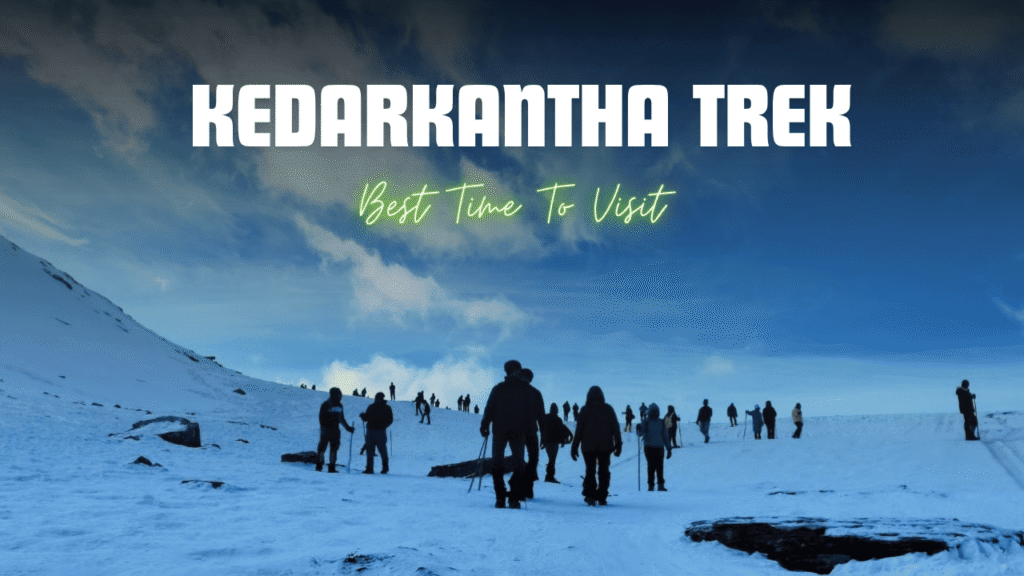
The Kedarkantha trek is one of the most famous winter treks in India. The best time to plan this trek is when the mountains are covered with snow from December to February.
But, it is also important to remember that each month’s experience may vary with different trekking conditions. Because the level of snow, crowd density and overall weather conditions can change from time to time during each month.
This guide will give you a quick comparison to help you understand the difference and decide which month is best for you.
Quick Comparison Table (For Fast Decision Makers)
|
Comparison Factor |
December |
January |
February |
|
Snow Coverage |
Light to medium snow in early December, heavier snow by the end of the month |
Thick snow in most of the trail |
Medium snow, some sections start melting |
|
Fresh Snow possibility |
Medium |
High |
Medium |
|
Temperature Range (Day/Night) |
Day: 5°C to 10°C Night: -5°C to -8°C |
Day: 0°C to 6°C Night: -10°C to -12°C |
Day: 3°C to 8°C Night: -5°C to -8°C |
|
Crowd Levels |
High during Christmas and New Year |
Moderate to high |
Moderate |
|
Difficulty Level |
Moderate |
Slightly more difficult due to deep snow |
Moderate |
|
Summit View Clarity |
Usually clear skies |
Often clear but colder winds |
Good visibility on most days |
|
Photography Conditions |
Beautiful mix of snow and forest |
Classic white winter landscape |
Snow with clearer skies and soft light |
|
Budget / Price Variation |
Higher during holiday season |
Normal winter pricing |
Slightly lower than peak season |
|
Ideal For |
First-time snow trekkers |
Snow lovers and adventure seekers |
Beginners and photographers |
|
Risk of Heavy Snowfall Delays |
Low to medium |
Medium |
Low |
|
Overall Experience Type |
Beginning of winter trekking season |
Peak winter snow experience |
Late winter with stable conditions |
Kedarkantha Trek in December – What to Expect
December is the beginning of the winter trekking season in Kedarkantha.
Snow Conditions in December
The snow during early December starts appearing at higher sections like Kedarkantha Base Camp and the summit. While it is light and patchy in the lower sections like, Sankri and Juda Ka Talab.
As the month progresses, snowfall becomes frequent, and trails start getting covered in white snow, making the trek feel like a proper snow trek.
So, fresh snowfall is possible during late December, but the heavy snowfall usually happens more consistently in January.
Temperature Range
The temperature during December starts to become noticeable, especially at night, at higher campsites.
Typically, the temperature in daytime can range from 5°C to 10°C.
And, the temperature at night can go from -5°C to -8°C.
But it may vary on the summit, going as low as -10°C (can feel colder with wind).
Trekking during the day is generally more comfortable when the sun is out while the nights can feel quite cold at higher camps.
Crowd Situation (Christmas & New Year Rush)
December is usually the peak time due to holidays like Christmas and New Year’s.
It is a popular month for trekking and often sees heavy crowds on the trail.
So, if you want less crowd and a quieter experience, planning a trek in early December is better.
Is It Good for Beginners?
Yes. Trekking in December is suitable for beginners, especially for first-time snow treks. Because the trekking conditions and snow levels are generally manageable as compared to peak winter months.
Pros & Cons of December Trek
Pros
- Early winter snow experience and pleasant temperature
- Comfortable trekking during the daytime
- Ideal for first-time snow trekkers
Cons
- Inconsistent snow level in early December
- Crowded trails during holidays like Christmas & New Year
- Busy campsites and colder nights at higher camps
Kedarkantha Trek in January – Peak Snow Experience
The month of January in Kedakantha receives the highest snowfall.
Maximum Snow Coverage
January is the month when there is maximum snow coverage.
During this time, the trail from Juda Ka Talab to the summit is entirely covered with snow. Forests, campsites and meadows turn completely white, making it feel like a true Himalayan winter trek experience.
Coldest Month Analysis
January is said to be the coldest month for this trek.
Temperatures during the daytime usually stay between 0°C to 5°C, while the temperature at night can drop up to -10°C to -15°C. Base camp can be much colder, hence proper clothing and layering are important during this time.
Summit Experience in January
The summit experience in January feels very rewarding.
The trails are fully covered with white snow, and trekkers may have to walk on narrow paths made by earlier groups. Once you reach the top, you get clear panoramic views of snow-covered mountains above the white landscapes.
Who Should Choose January?
January is best for those who want a full snow trekking experience.
The month is ideal for snow lovers, photographers or trekkers who want to trek through snow trails and winter camping. It is also good for beginners, but they should be physically prepared for colder conditions like these.
Pros & Cons of January Trek
Pros
- Maximum snow coverage
- True winter snow trekking experience
- Beautiful white landscapes for photography
Cons
- Coldest month of the season
- Slightly challenging treks in deep snow
- Heavy snowfall can cause delays
Kedarkantha Trek in February – Balanced Snow & Weather
In February, the snow becomes more stable and packed.
Snow Stability & Trail Conditions
The snow covers the entire route from Juda Ka Talab to the summit. And the snow makes the trail more stable because it is easier to walk on a path when many groups have already passed through it.
Slightly Warmer Days
Days in February are slightly warmer than in January. Temperature during daytime usually stays between 2°C to 8°C, while at night, it can drop to -5°C to -10°C at higher camps.
So, trekking during the day feels more comfortable compared to the nights.
Crowd Drop Compared to January
The crowd starts to drop in February, as the peak rush slows down. While the trek is still active, the campsites feel less crowded and provide a calmer experience.
Who Should Choose February?
The month of February is ideal for trekkers who want to see snow in good condition without being extremely cold. It is also a great option for beginners, photographers or people who prefer a balanced weather with a smaller crowd.
Pros & Cons of February Trek
Pros
- Stable trekking conditions and trails
- Slightly warmer days in February
- Less crowd on the trail
Cons
- Nights are still colder
- Slightly less snowfall towards the end of February in some seasons
- Cold summit winds
Which Month Has the Most Snow?
Comparing December, January, and February, usually the month of January has the most snow on the Kedarkantha trek.
From the start of December, the snow starts to appear on the higher sections like the base camp and the summit. While late December brings the fresh snowfall all over the trek.
In January, the snowfall becomes more evident and consistent. The trails get fully covered with white snow across the entire route. In February, the snow starts to become more packed and stable because the trail has been walked on many times. Fresh snowfall is less frequent compared to January.
Final comparison of the most snow
December: Start of snow season
January: Fresh and maximum snowfall
February: Stable and packed snow trails
Which Month Is Safest for First-Time Trekkers?
All three months can be safe for beginners when the trek is done with proper preparation and experienced trek leaders.
But the only factor which makes the whole difference is the cold tolerance.
Though January is the coldest month and it can be challenging for many first-time trekkers. December and February can feel slightly more comfortable due to daytime temperatures.
One more factor is the slippery trails because fresh snowfall in January can sometimes make the path slippery. While in February, the snow becomes firmer and easier to walk on.
Finally, guide support is very important for safety as they are professionals who monitor weather conditions, manage the group and guide everyone safely on the snowy trails.
Hence, for all these reasons, December and February are considered easier for first-time trekkers, while January is ideal for people who want a deep snow experience.
Which Month Is Best for Photography?
This is a very common question that many people often ask.
The Kedarkantha trek is well known for its beautiful winter landscapes, making it popular among photographers.
Clear morning skies, soft golden colours over the snow and mountain views from the summit makes the summit sunrise and sunset photography very rewarding.
Fresh snow covers forests, campsites and trails in January. This creates a classic winter scenery which many photographers want to capture.
February can be particularly good for photography because the weather is more pleasant with clearer skies.
Budget & Availability Differences (Peak vs Shoulder)
The rates of the Kedarkantha trek can vary depending on the month and demand.
Pricing is generally high during holidays, especially around Christmas and New Year’s. Because many people plan their trips during this time, trek packages become more expensive. It increases the advance bookings many companies even get fully booked around this holiday season.
But the prices get more stable in the months of January and February. Although weekends can still fill quickly, availability is better around this time.
So, if you want to book your trek on a budget with easier availability, it is better to plan your trek outside of the holiday rush.
Final Verdict – Which Month Should You Choose?
Choose December if…
You want to experience the beginning of the winter season and snowfall. It is a good option for beginners and can get a little crowded during Christmas and New Year’s.
Choose January if…
You want to experience peak snowfall. January usually has maximum and deepest snow, which makes it perfect for snow lovers and photographers who love snow-covered landscapes.
Choose February if…
You prefer a balanced weather and fewer crowds. Although February has less snow, it is still present and makes the trail more stable. Days are slightly warmer, making it a comfortable weather for many trekkers.