kedarkanthatrekfromdelhi.com

Juda Ka Talab on Kedarkantha Trek – Frozen Lake, Myths & Camping Experience

What Is Juda Ka Talab?

Juda Ka Talab comes from the name “Juda,” which is believed to be a lake that was formed from the water falling from Lord Shiva’s hair (Juda).

It is a high-altitude lake located at around 2,700 meters (8,860 ft) on the route of Kedarkantha trek.

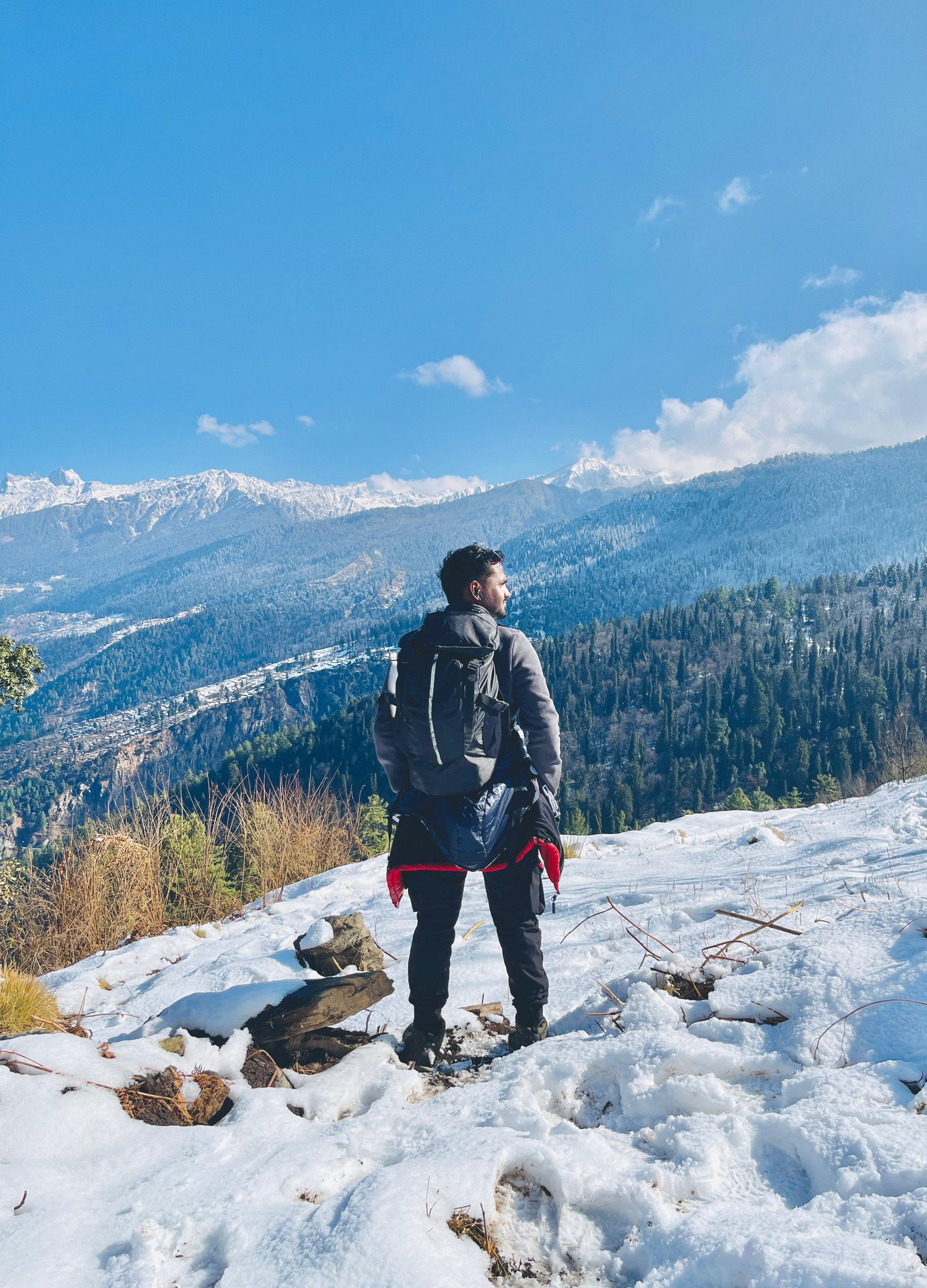
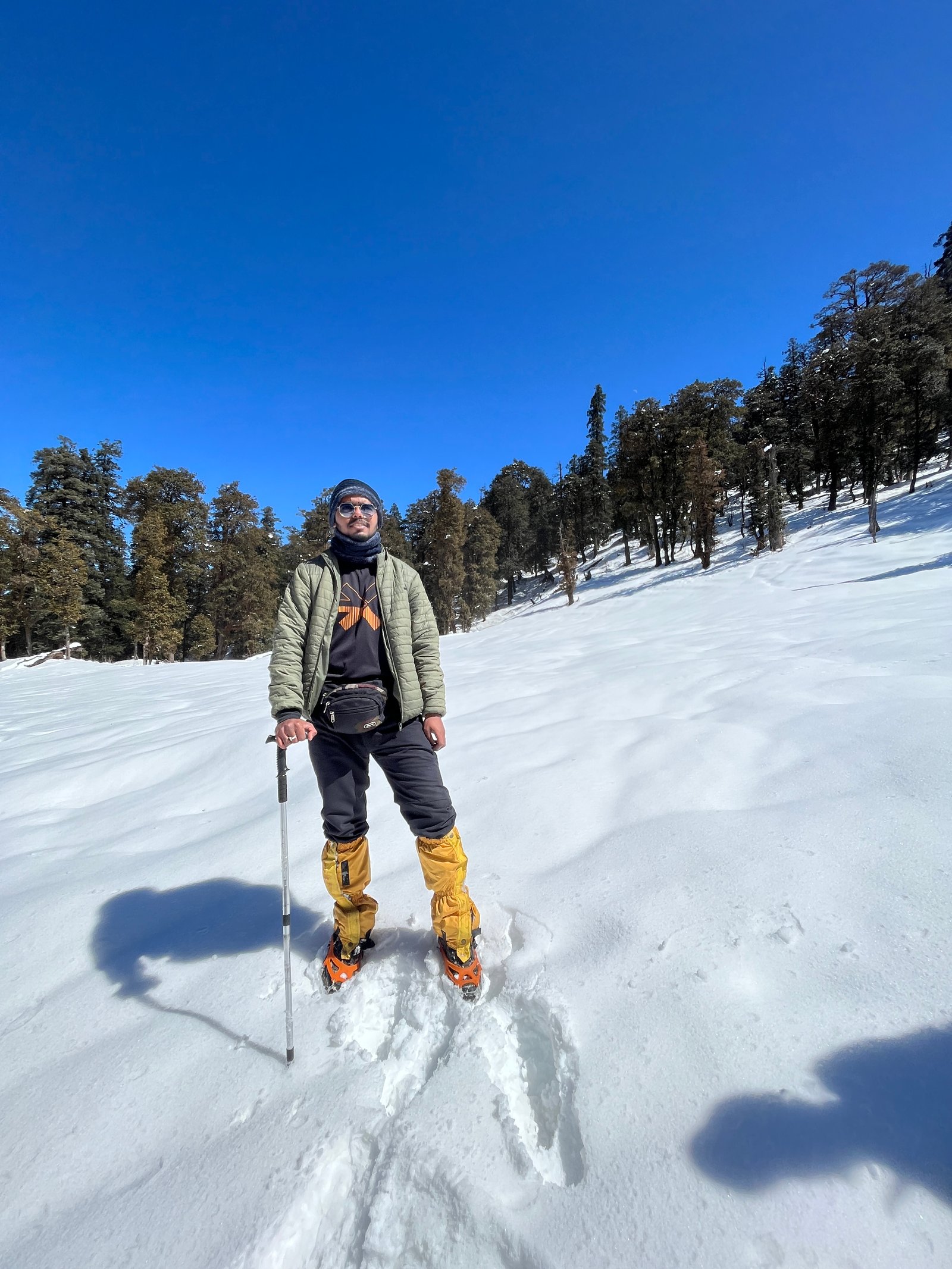
The lake is located at a distance of 4km from Sankri village, which is the starting point of the trek. Because of this distance, the climb gradually gains and is often used as the first major campsite for the trekkers. The route brings you through dense pine and oak forests, and turns into a snowy white scenery during the winter when the entire area is covered in snow.

Where Is Juda Ka Talab Located on the Route?

Day-Wise Itinerary Placement

Trekkers hike through dense forests to reach the campsite at Juda ka talab. It usually appears on day one of the trek, where they reach and stay overnight before continuing their trek the next day. 

It is around 4 km from Sankri village and typically takes 3-4 hours of trekking to reach. 

Altitude Gain Until This Point

The trek begins at 1,950 m and gains altitude gradually to 2,700 m at Juda ka Talab. This helps trekkers to adjust to the high altitude. 

Difficulty Level of This Section

The difficulty level of this section is from easy to moderate as it passes through a forest area and ascends gradually, making it manageable even for beginners.

Why Juda Ka Talab Freezes in Winter

Temperature Conditions

The temperature at an altitude of around 2,700m often drops below zero. These freezing conditions cause the lake water to freeze and turn into ice. 

Snow Accumulation

Kedarkantha receives regular snowfall during the winter, which accumulates around the lake and forest area. This cold environment helps maintain the snow’s frozen surfaces for a long time. 

Ice Thickness Reality

While the lake appears to be frozen, the thickness of the ice may vary. Because sometimes the top layer becomes solid, but there may exist water underneath. Due to this, trekkers are advised not to walk on the frozen lake. 

When It’s Fully Frozen

The lake fully freezes between the winter months of late December and January, when the temperatures remain the lowest consistently. The entire campsite around the lake turns into a snow-covered winter landscape during this time.

Myths About Juda Ka Talab

Myth 1 – It’s a Bottomless Lake

Many people believe that Juda ka talab is a bottomless lake. The reason for this assumption is maybe due to its dark colour and calm surface, which makes it appear very deep. While in reality, the lake does have a natural bottom, its exact depth is not commonly measured. 

Myth 2 – It’s Named After “Shiva’s Hair” (Local Folklore)

One popular myth regarding the lake is a local story which states that the lake is formed from dropping water from Lord Shiva’s hair (juda). And that’s how the name is also believed to have originated. Many trekkers enjoy hearing this as a local folk story as part of the cultural traditions of the region. 

Myth 3 – You Can Walk Freely on the Ice

The lake often freezes during winter, which makes many people think that it would be a safe option to walk over it. But the ice thickness may vary due to temperatures and water may still exist under the ice surface. So, trek leaders usually advise trekkers to avoid walking on the frozen lake for safety.

Camping Experience at Juda Ka Talab

Forest Surroundings

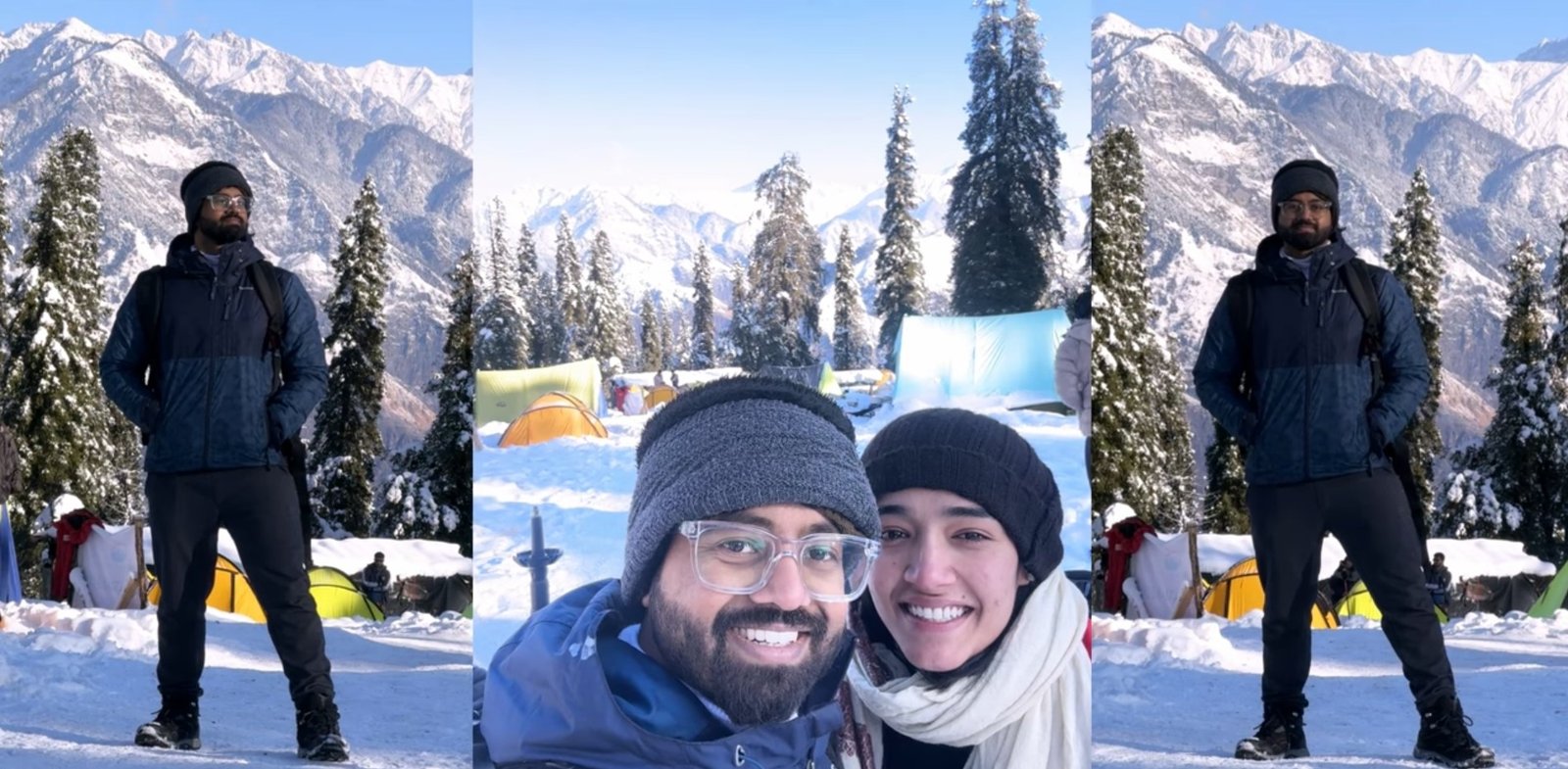
The campsite is surrounded by dense forests which creates a peaceful atmosphere. Tall trees around the lake feel very quiet, and it is one of the most scenic spots on the trek. 

Snow-Covered Camps in Winter

The campsites are covered with thick snow in the winter. Tents are fixed on clear patches while the whole surrounding turns into a beautiful white landscape. This feels like a true enter camping experience for trekkers. 

Night Temperature Reality

The temperature at night can significantly drop and can reach below the freezing point. This happens especially in December and February. To stay warm in these cold conditions, trekkers rely on thermal layers, sleeping bags and downjackets. 

Sunrise View from Campsite

One of the most beautiful parts about this campsite is the sunrise view. The mornings at the lake feel magical, as the soft golden light falls and reflects over the snowy trees and frozen lake. This scene lights up the surroundings and mountains, which makes it a memorable moment for trekkers and photographers.

What to Expect in Different Seasons

December – Fresh Snow Around the Lake

During the month of December, the area around the lake receives fresh snow. This creates the first winter experience on the Kedarkantha trek, turning everything snowy white. 

January – Fully Frozen Lake

January is the peak winter month when the lake becomes fully frozen. This offers an intense winter experience with snow around the campsite, which looks like nothing less than a winter scene. 

February – Stable Snow Trails

While the earlier months offer fresh snow, the snow becomes stable and packed on the trails by February. Trekking in these conditions is slightly easier than on fresh snow days. 

Autumn – Clear Reflection Views

As the snowfall season fades and autumn arrives, the lakes are no longer frozen and the water becomes clear and calm.  This makes beautiful reflections of the surrounding forests and sky on the lake’s surface.

Is It Safe to Walk on the Frozen Lake?

It is generally not recommended to walk on the frozen lake. The organisers or guides usually instruct trekkers to avoid stepping onto the frozen lake. Because even if it appears fully frozen, it may not be strong enough to hold the weight of a person. So, for safety purposes, trek leaders often restrict movement near the lake and suggest everyone to stay around the camp or marked areas.

Photography at Juda Ka Talab

Juda Ka Talab is considered one of the most photogenic locations on the Kedarkantha trek, especially during autumn. When the water becomes calm, it creates beautiful reflections on the surface of still water. 

This gives photographers perfect shots of the snowy surroundings and sky, creating a mountain scenery. Early morning mist during sunrise creates soft lights for the photos, while at night, the remote campsites offer a sky full of stars above the quiet forest.

Wildlife & Forest Around Juda Ka Talab

The area around Juda ka talab is enclosed by forest and rich wildlife. Pine and oak forests are very important for the Himalayan ecosystem and walking between them gives an immersive and peaceful experience. 

In this natural mountain atmosphere, wildlife sightings are rare but trekkers may occasionally spot small birds or hear their voices echo from afar. The quiet mountain ecosystem makes the campsite feel remote yet connected to the wilderness.

Why Juda Ka Talab Is the Emotional Highlight of Kedarkantha

Juda ka talab is a memorable moment for many. 

Because reaching here becomes one of the most adventurous moments of the entire trek. Camping here gives the true mountain camp experience within the calm atmosphere of the Himalayas. It is often the place where trekkers experience their first ever snow, especially during the winter.

After trekking uphill from Sankri, stepping into the high mountains and getting closer to the summit feels like the first big milestone of the journey.

Final Thoughts – What Makes Juda Ka Talab Special?

Juda Ka Talab is out as one of the most scenic and memorable adventures on the Kedarkantha trek. Spending a night surrounded by tall forests and calm mountains, the lake creates a peaceful experience that many trekkers remember for a long time. 

The feeling is amazing when people first experience the true mountain environment, with the quiet forests, the cold nights or the sight of snow during the winter. 

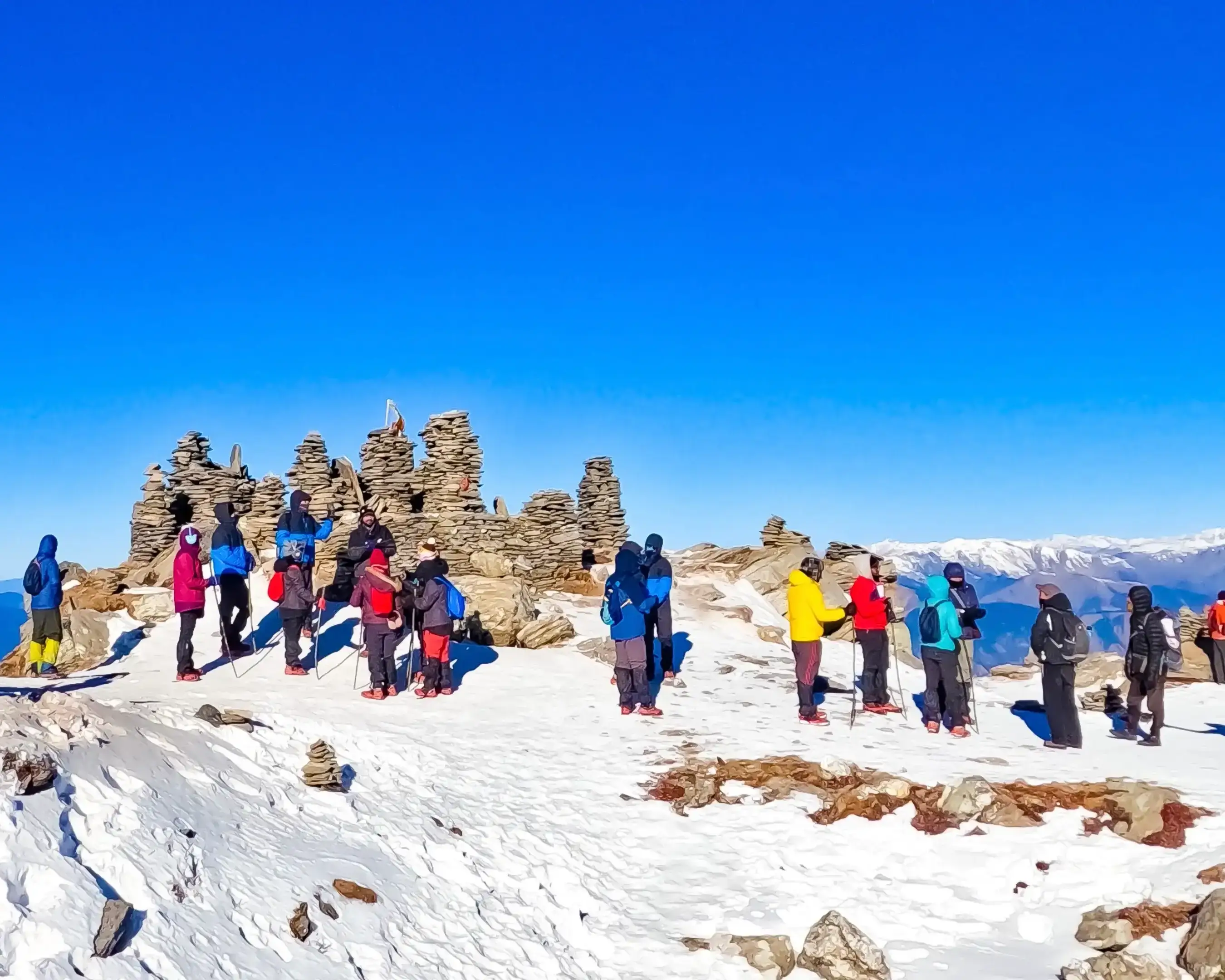
From this campsite, the trek gradually ascends for the final climb. The journey begins to feel even more adventurous as trekkers prepare for the Kedarkantha summit climb.