
Snowfall Experience on Kedarkantha Trek – What to Expect in Winter
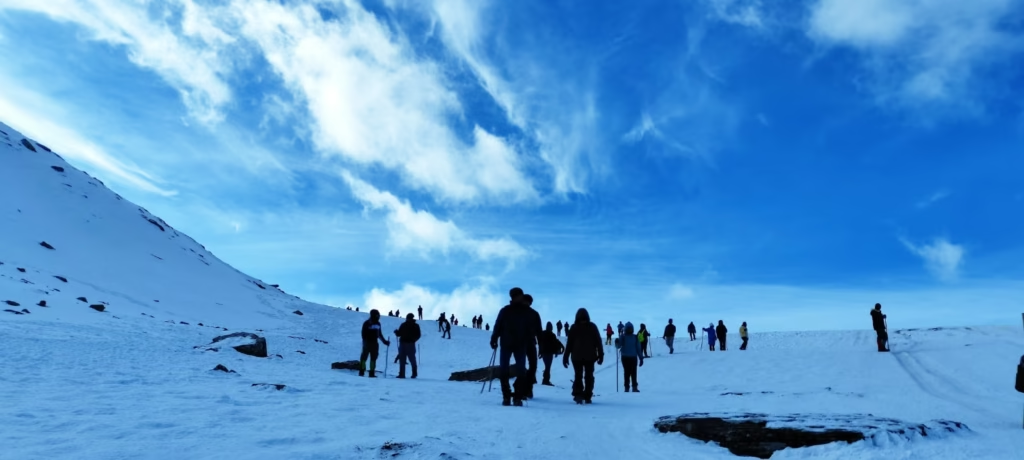
The Kedarkantha trek is one of the famous winter treks in North India.
It is mainly popular for its beautiful snow landscapes. During the snowfall in winter, everything gets covered in white snow, creating a surreal snowfall experience.
Does It Snow on Kedarkantha?
Yes. It snows during the winter months on Kedarkantha, receiving regular snowfall from December to February.
Snowfall usually begins from late November or early December, and increases gradually.
This is also the peak winter trekking season, when trekkers can experience the snow-covered trails and amazing winter scenery.
Snow generally starts to accumulate around Sankri village and higher campsites. As you go higher, the snow becomes deep during the peak winter months.
When Can You Experience Fresh Snowfall?
Late December Snow Chances
During late December, there are good chances of snowfall on the Kedarkantha trek.
This is also the holiday season of Christmas and New Year, when visitors may experience light to moderate snowfall along the trail.
January – Peak Snow Month
January is the peak snow month in Kedarkantha. Trekkers may experience fresh snowfall during this time, and the trails are fully covered in snow, which creates a complete winter trekking experience.
February – Stable Snow Trails
Snow is still present in the month of February, but it becomes more stable and packed.
While you can still see fresh snowfall, many days have clear skies, which makes trekking easier
Live Snowfall vs Existing Snow
It’s important to understand how live snowfall and existing snow differ.
Because live snowfall is not guaranteed every day, trekkers will still walk through the existing snowy trails. This provides you a full winter trekking experience with snow-covered forests and campsites.
What Walking on Snow Feels Like
First Snow Trail Experience
For many first-time trekkers, the experience of walking on snow can feel unique and exciting.
The trail feels completely different as it becomes soft and white.
Crunchy Snow vs Fresh Powder
For many first-time trekkers, the experience of walking on snow can feel unique and exciting.
The trail feels completely different as it becomes soft and white.
Slightly Slippery Sections
There are some sections of trails that can be slightly slippery, especially on slopes when the snow becomes icy. This is why you need proper trekking shoes with good grip.
Using Microspikes
Walking on snow can be challenging, so trekkers often use microspikes attached to their shoes for that extra grip. This improves safety on snowy trails and makes walking on snow much easier.
Snow at Campsites – What to Expect
Juda Ka Talab in Snow
The campsite at Juda Ka Talab becomes very beautiful in winter. It is often surrounded by snow-covered forests and the partially frozen lake, creating a magical winter scenery.
Kedarkantha Base Camp in Winter
The Kedarkantha base camp gets fully covered in thick snow during the peak season.
Camping here before the summit climb offers you wide views of the surrounding Himalayan peaks.
Morning Frozen Tents
The temperatures at night can drop below the freezing point. So, when the trekkers wake up, they may find frost or frozen ice on their tents in the morning.
Snow Around Sleeping Areas
Areas around the campsites are generally cleared snow patches where snow is still present. This creates a classic winter atmosphere where the whole campsite is surrounded by white snow.
Summit Day in Snow
Early Morning Summit Push
The summit climb on the Kedarkantha trek starts early in the morning before sunrise. Trekkers begin in cold temperatures to reach the summit in time for the beautiful sunrise views.
Ridge Walk with Snow Views
Walking towards the summit, the trail follows a snowcovered ridge. This section offers stunning snowy views of the surrounding mountains and valleys.
360° Snow-Capped Himalayan Peaks
The top of the summit gives you a 360° panoramic view of snow-capped Himalayan peaks.
Also, when the days are clear, you can see famous peaks like Swargarohini, Bandarpoonch, and Black Peak.
Wind & Cold Factor
The factor of cold winds during early mornings on the summit should be considered. Wearing proper layering and gloves is very important to stay warm and enjoy the summit experience.
Is Snowfall Dangerous?
Snowfall during the Kedarkantha trek is generally not very dangerous when it is managed properly. The trekking routes are commonly used during the winter, and completed with the guidance of experienced guides and organised support.
Guides organise the treks safely even when there is snow and helps maintain the right pace and be safe on snowy sections. The teams also mark the trails in snow to make the route easier to follow through forests and slopes.
It is also important to keep in mind that the weather in the mountains can change unexpectedly. And trek leaders may delay or even cancel the summit climb in case of heavy snowfall or strong winds to ensure everyone’s safety.
Snow vs No-Snow Experience – What’s Better?
The Kedarkantha trek offers two different experiences depending on the season.
During winter, the trek offers a magical snowy scene with white forest scenes, frozen lakes and snowy campsites.
A classic winter scenery.
On the other hand, the Autumn season offers clear trails and sharp mountain views without the snow. The sky is much clearer, making the meadows and Himalayan peaks more visible.
Now the question is, “Who should choose the snow season?”
If you want to experience the classic winter trek that Kedarkantha is famous for, the snow season is the best choice for you.
But if you prefer easier walking conditions and clear mountain views, trekking in the non-snow season can be a better option.
Photography During Snowfall
The Kedarkantha trek is a paradise for photographers. The whole landscape turns into a beautiful white landscape with snow-covered forests, campsites and open meadow views during snowfall.
One of the most beautiful moments to capture is the sunrise when the snow reflects the golden light. Also, sometimes the clouds and falling snow create a unique mountain drama atmosphere.
But photography during snowfall can also be a little tricky. Gear like cameras or phones should be protected from moisture and cold using protective waterproof covers. And it is recommended to keep the spare batteries warm because they tend to drain faster in low temperatures.
Things People Don’t Expect About Snow
There are a few things many people don’t expect while trekking on Kedarkantha.
As it may feel surreal during winter, it also comes with its own challenges.
First thing is the risk of wet socks, because if your shoes are not waterproof, the snow can easily seep into them. This can make your feet cold and uncomfortable to walk.
Another thing which trekkers face is faster fatigue. Because walking in snow requires more effort than normal trails. Trekkers also have to face cold nights at higher campsites where the temperature can sometimes decrease below zero.
Lastly, the phone or camera batteries drain faster in cold weather which is why carrying power banks or spare batteries and keeping them warm is helpful.
Should Beginners Choose the Snow Season?
Beginners can choose to do the Kedarkantha trek in the snow season but they should consider a few important factors.
- Fitness factor: Trekking in snow requires a basic level of fitness. It requires stamina to walk steadily, especially when climbing slopes.
- Mental preparation: The trek also requires mental preparation because trekking in cold conditions can feel challenging at times.
- Cold tolerance: Another major factor is your ability to tolerate cold. Trekkers should be comfortable spending long hours in low temperatures and carrying winter gear.
But the good news is that most of the groups complete their treks with experienced team leaders and guided support. They help them manage the route, pace and safety during snowy conditions.
Final Reality Check – Snow Is Magical but Demanding
The Kedarkantha trek during snow feels magical yet challenging.
So, it is important to set realistic expectations and prepare accordingly.
The beautiful snow views create a strong emotional pull for many trekkers. This makes it one of the best times to visit this trek.
At the same time, the trek can be physically demanding and requires proper gear and the ability to tolerate cold temperatures. With the right mindset and guidance, your experience can become both safe and memorable, rewarding you with an incredible adventure to Kedarkantha.